 By
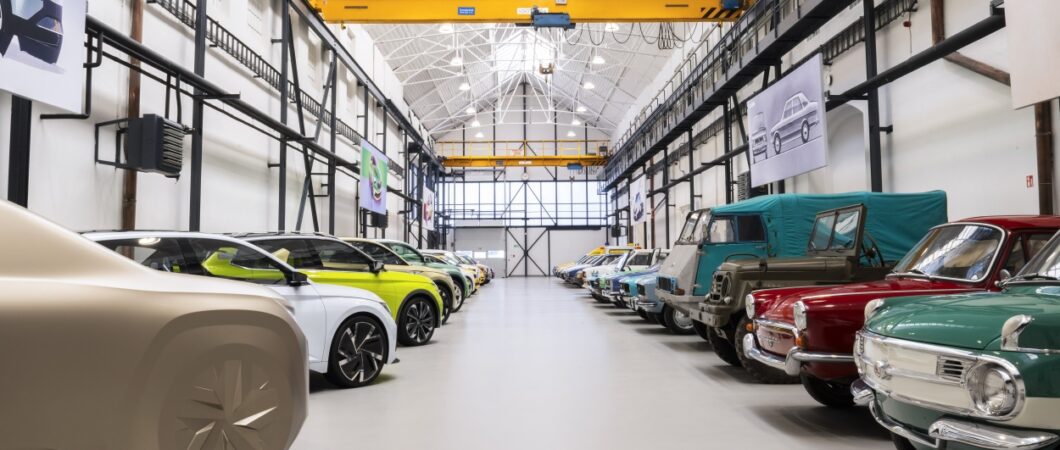
By The Škoda Museum in Mladá Boleslav, Czechia, has opened a new gallery in the former car plant buildings, featuring 31 ‘concept cars’, design studies and prototypes from the late 1950s to the present day.
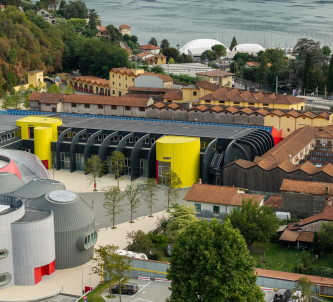
The museum, which opened in 1995 in the original factory building and underwent a complete refurbishment in 2012, is now expanding its display spaces to other buildings, or “depositories” on the site where they keep parts of their collection.
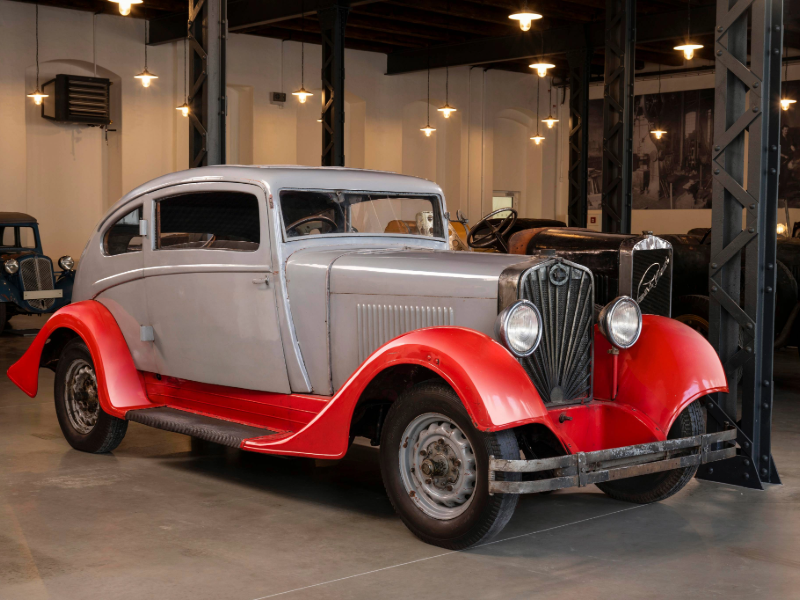
Last December (2025) they opened the Sleeping Beauties hall, featuring 23 automobiles in as-found or partially restored condition and originating from the years 1913 to 1948. The cars were acquired for the collection exactly as they were discovered after decades in forgotten garages and barns.
The Concepts Unmasked hall opened to the public this week, and among the cars on display there are a few that caught my eye..
The earliest is the Škoda 973 Babeta (1953)
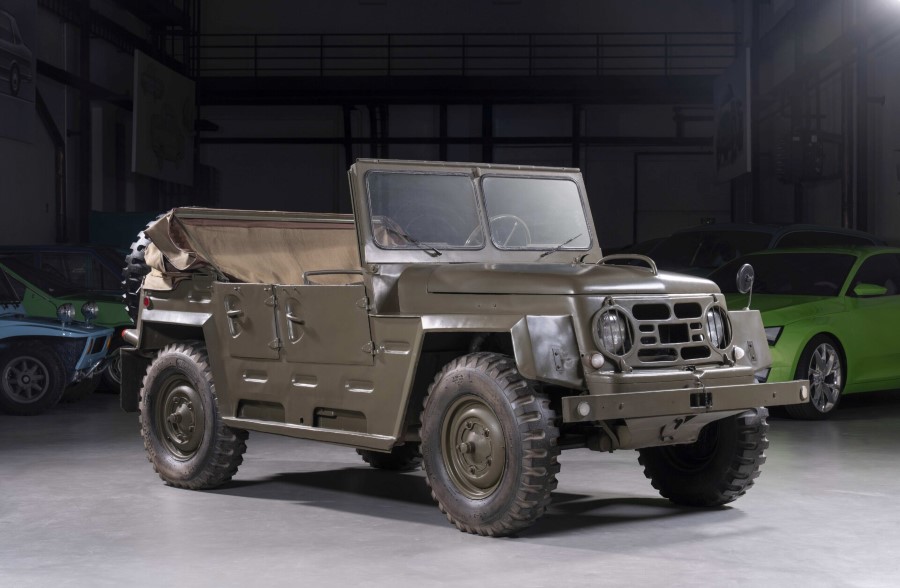
This prototype off-road vehicle for the Czechoslovak Army featured four-wheel drive and good off-road capability. Only around 30 units were built. The vehicle became more widely known mainly through its appearance in the Czechoslovak musical film ‘If a Thousand Clarinets’ (1964), which featured the hit song ‘Babeta Went Out into the World’ and gave the vehicle its nickname, ‘Babeta’.
Škoda 990 NOV Combi (1963)
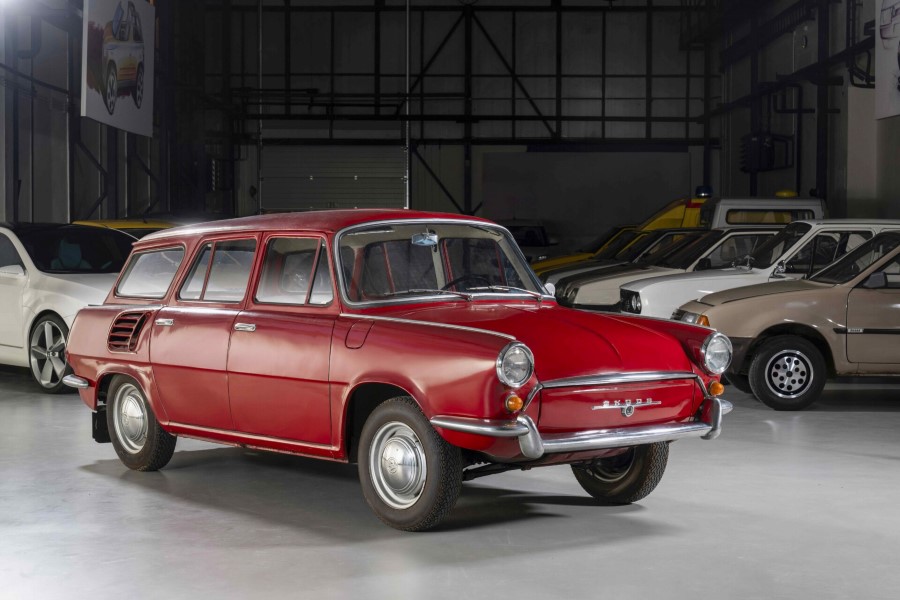
One of the variants considered for the Škoda 1000 MB was a practical estate version. During test drives, its prototype covered 7,000 kilometres. However, it featured a complicated flat engine installation beneath the luggage compartment floor (!) and was never put into series production.
Škoda 998 Agromobil (1963)
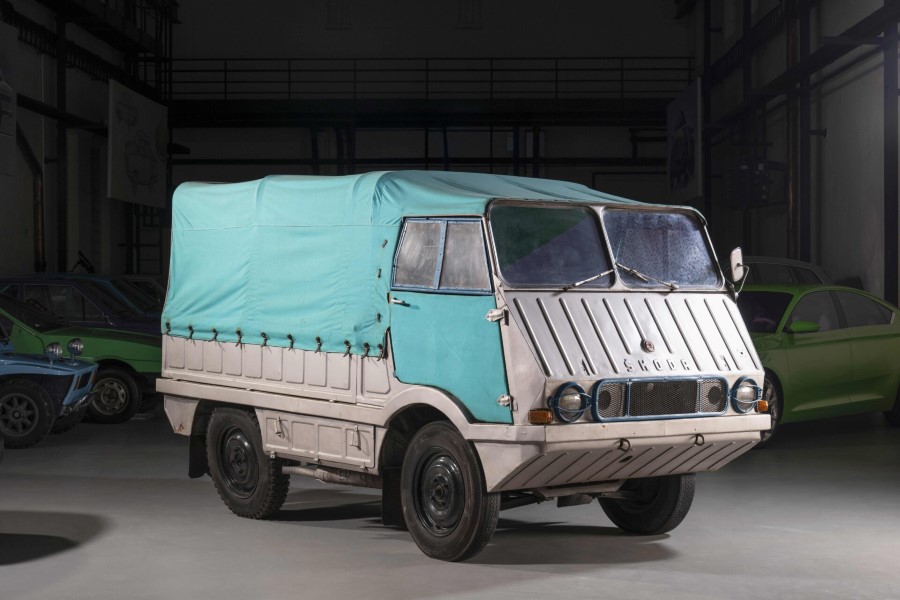
This utility vehicle with four-wheel drive was intended for farmers, foresters and the army. Škoda developed it jointly with Česká zbrojovka Strakonice, where it was also due to be produced. In the end, however, it remained at prototype stage only – three examples were built in 1962 and a further ten a year later. That sloping glacis plate makes it look amphibious… but it wasn’t!
And more contemporary, the Škoda Roomster (2003)
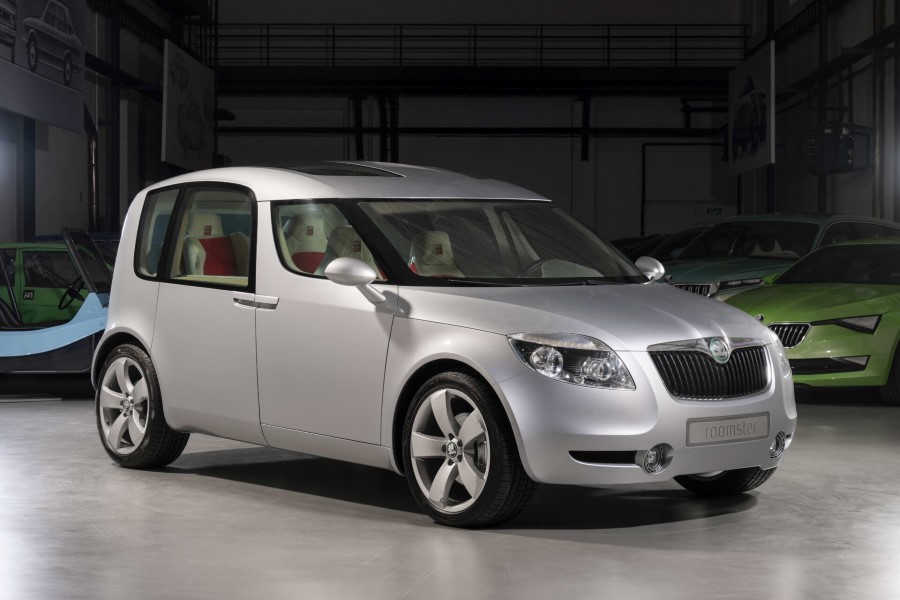
At the 2003 Frankfurt Motor Show, Škoda presented a design study for a compact car with an exceptionally spacious and versatile interior. Its distinctive design, created by Thomas Ingenlath, combined with groundbreaking use of space and impressive versatility, generated such strong public interest that the production model went on to become a firm part of the brand’s portfolio from 2006 to 2015.
Škoda Fabia Pick-up (2007)
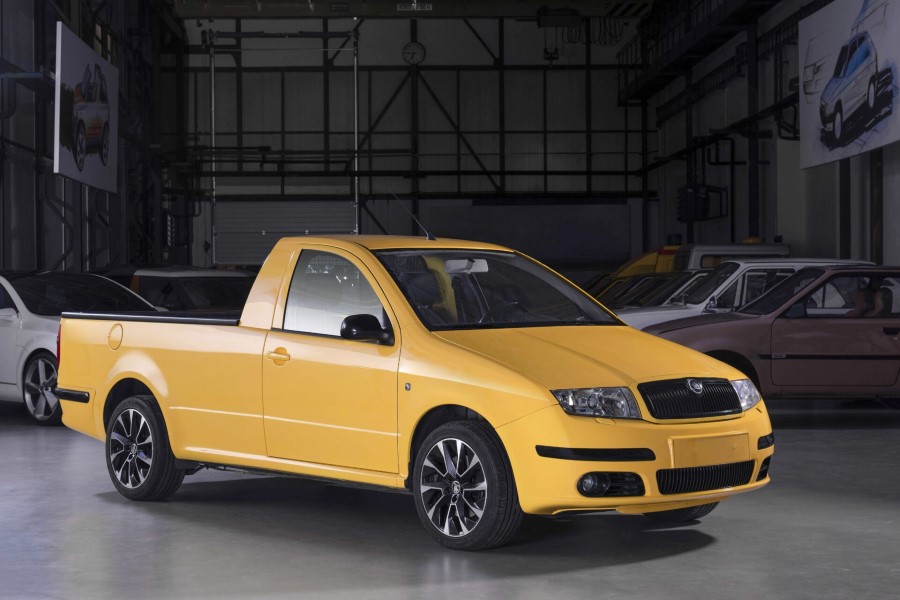
Four pick-up vehicles were built for the logistical needs of the Prototype Construction department within Technical Development. The front section is identical to that of the first-generation Fabia, while the rear section is entirely bespoke and uses the axle from that funny looking Škoda Roomster, giving it an almost 1,000 kg payload capacity.
Škoda Vision E (2017)
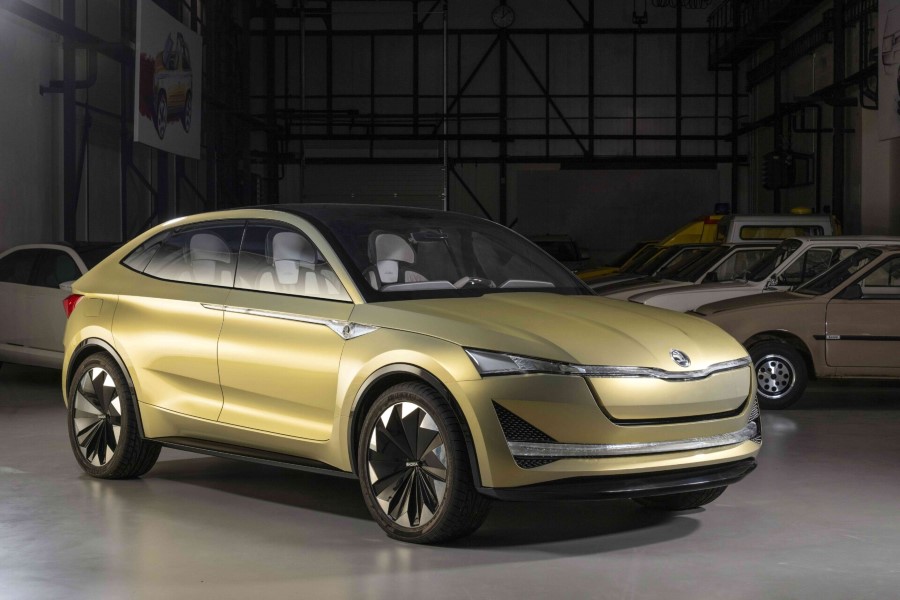
This all-electric crossover study, first unveiled in Shanghai in 2017 and later shown in Frankfurt, marked a major step towards the brand’s electric future. Vision E featured Level 3 autonomous driving and advanced connectivity. Alongside the digital instrument cluster and central touchscreen, each passenger had their own interactive display.
Together, the two new halls form a separate visitor circuit from the main museum building. They can be explored on a 1 hr tour with a pre-booked guide (English available). The price is 250 Czech Korunas (£8.82). Each exhibit in the halls also has signage and further details via a QR code.
Details and ticketing are on the Škoda Museum website.