 By
By The newly renovated Army Flying Museum held its official re-opening yesterday with their patron, HRH Prince Michael of Kent as guest of honour.
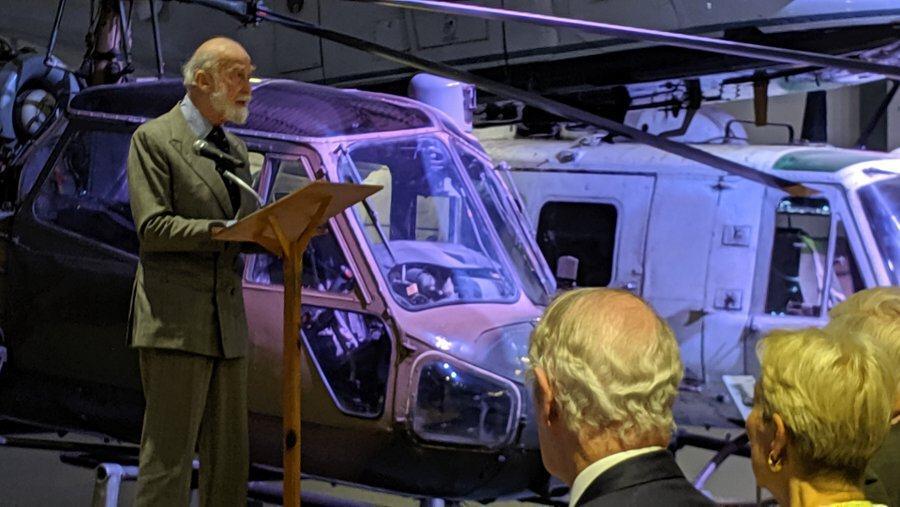
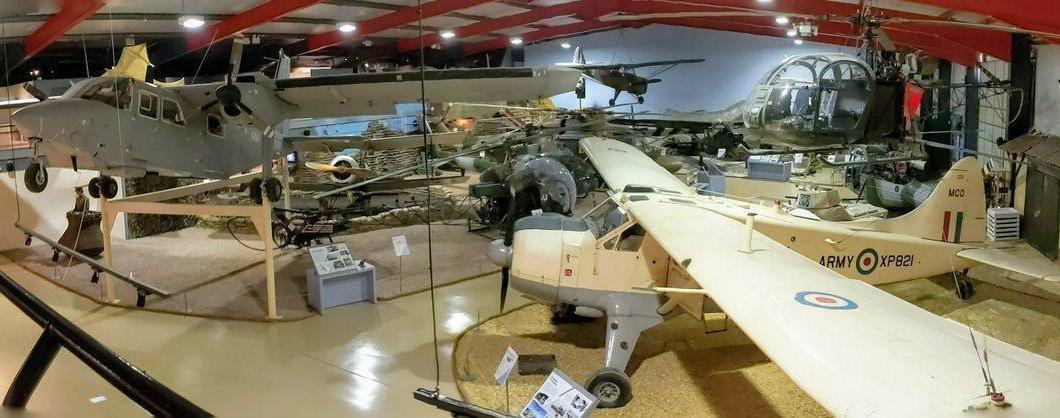
I wrote about the changes in March, but this event gave me a chance to actually see the new facilities and exhibits… and there’s a lot to see.
As Susan Lindsay, the Museum’s Curator told me…
…the museum hadn’t been updated since the eighties and it needed to better meet the expectations of today’s visitors and to represent the more recent of the five elements of Army aviation.
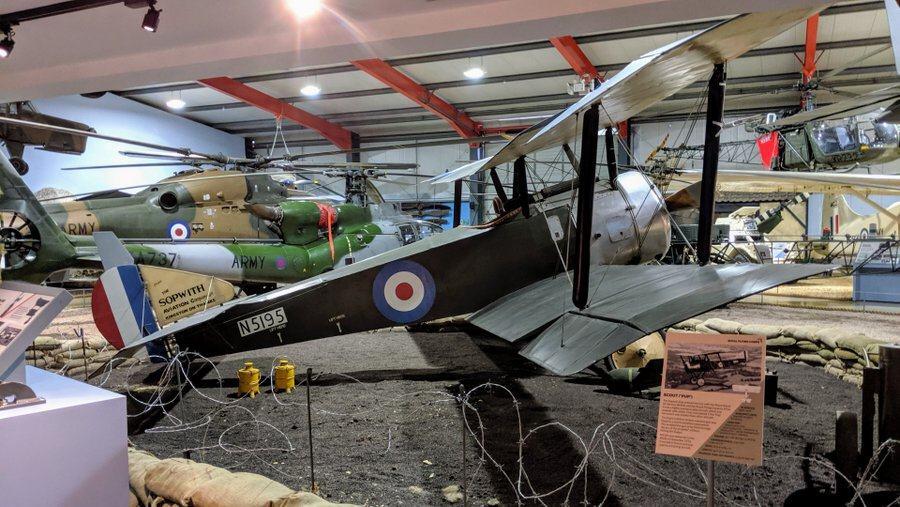
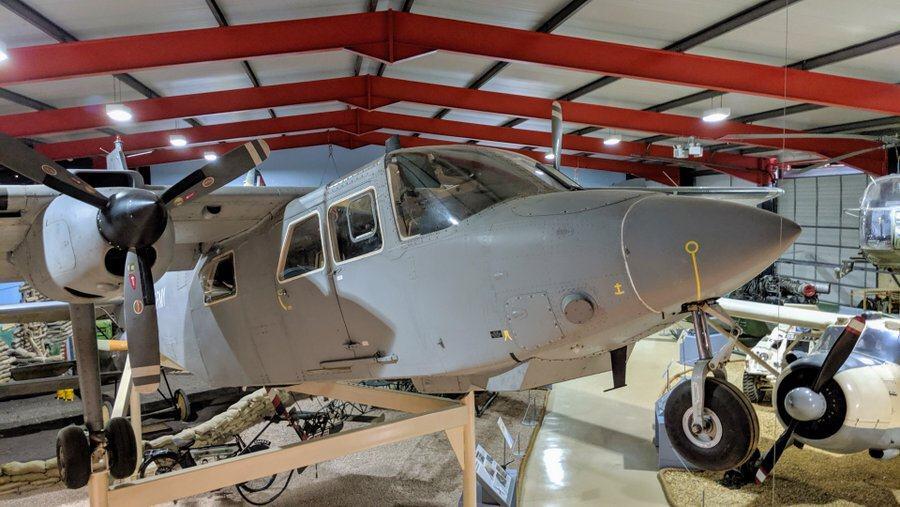
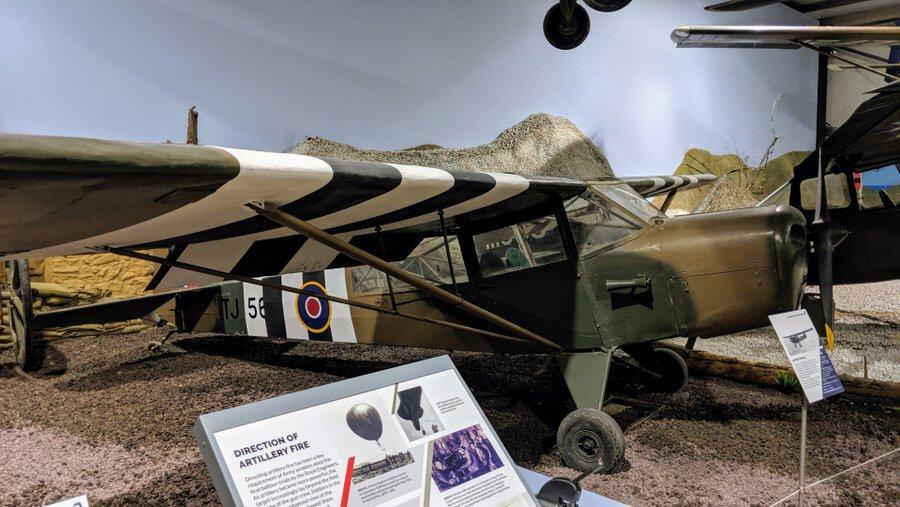
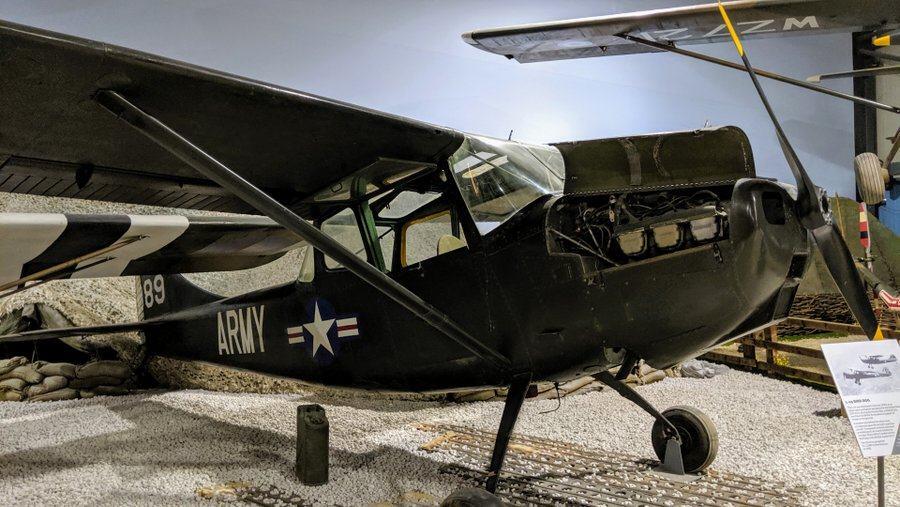
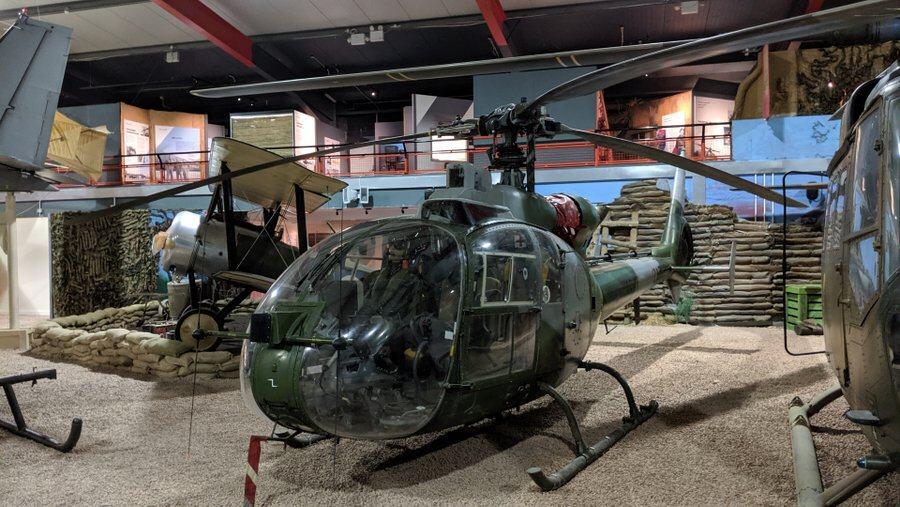
What are those elements? Well it starts with the Army’s need to spot for artillery and the birth of the Royal Engineers Balloon Corps. Then there was Air Observation Post Squadrons (AOP) and the Royal Flying Corps (RFC), which of course morphed into the RAF in 1918. With WW2 there came the Glider Pilot Regiment, and more recently (1957+) the Army Air Corps – a throwback to the offensive role of the RFC.
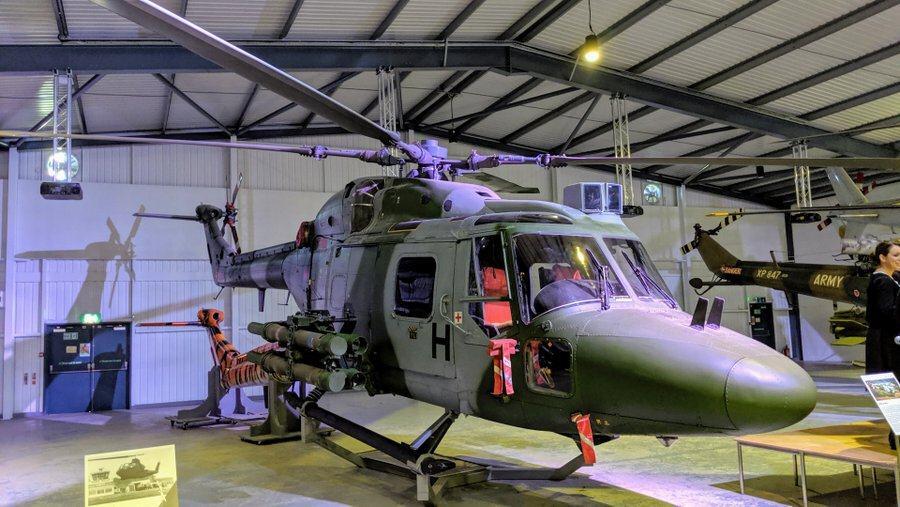
It’s the Army Air Corps (one of their bases, AAC Middle Wallop, is right next door to the museum) and its more recent aircraft such as the Bell 212 and Lynx that the museum update has been focusing on.
I think the Glider Pilot Regiment gallery is particularly interesting. There were WW2 operations that I didn’t know anything about, and I’ve never seen a Hotspur glider before.
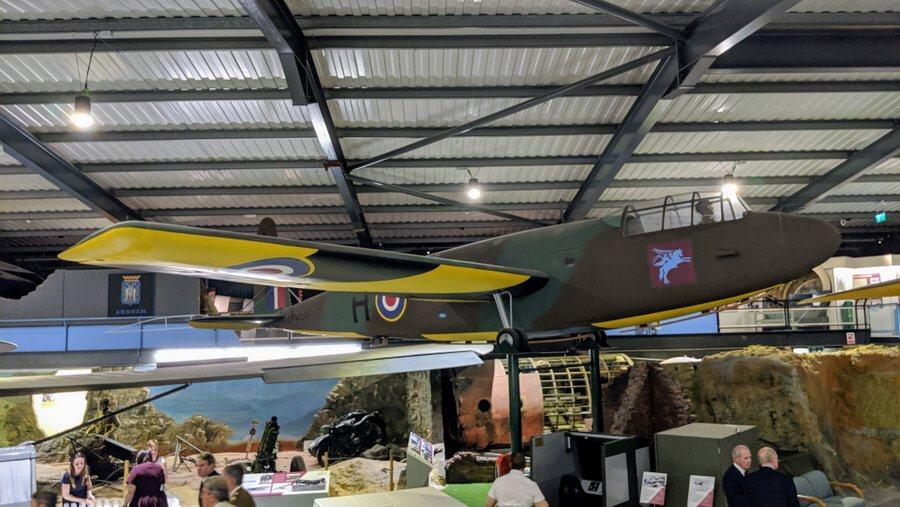
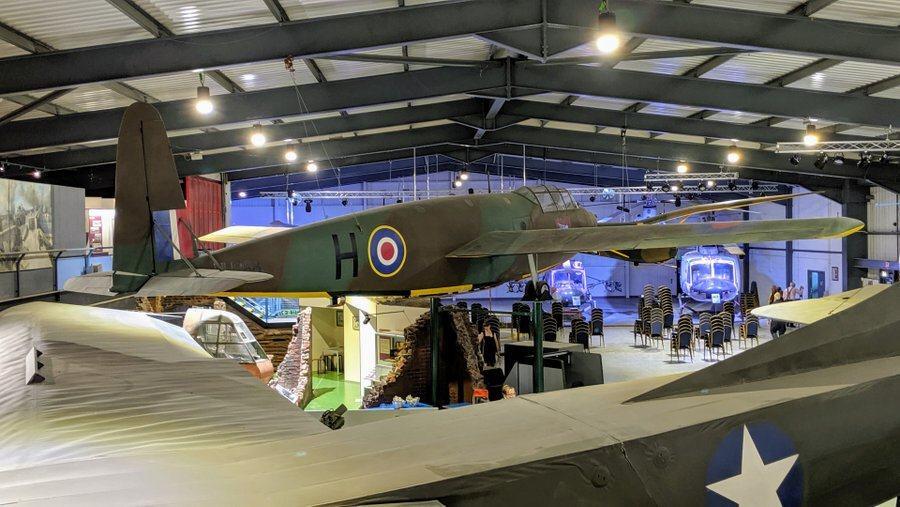
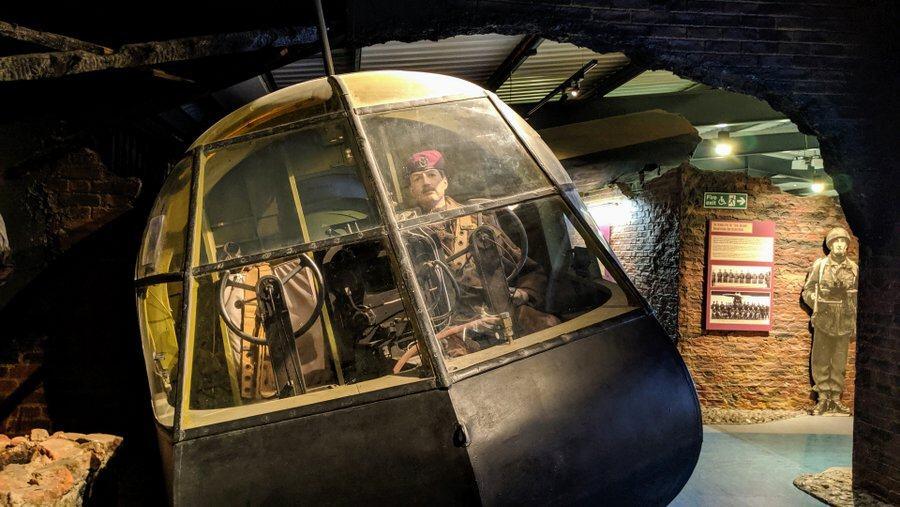
It went into service in 1940, but it had already been realised it was too small for operations and so became the trainer for the regiment.
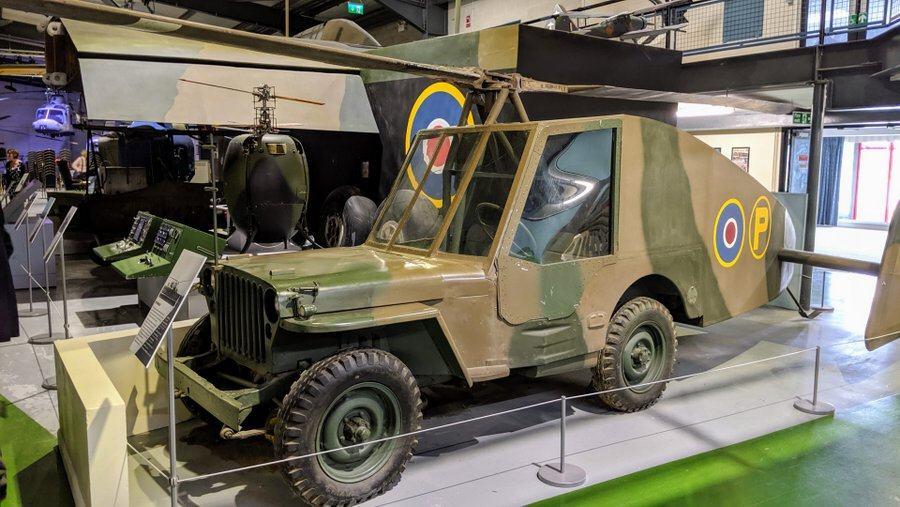
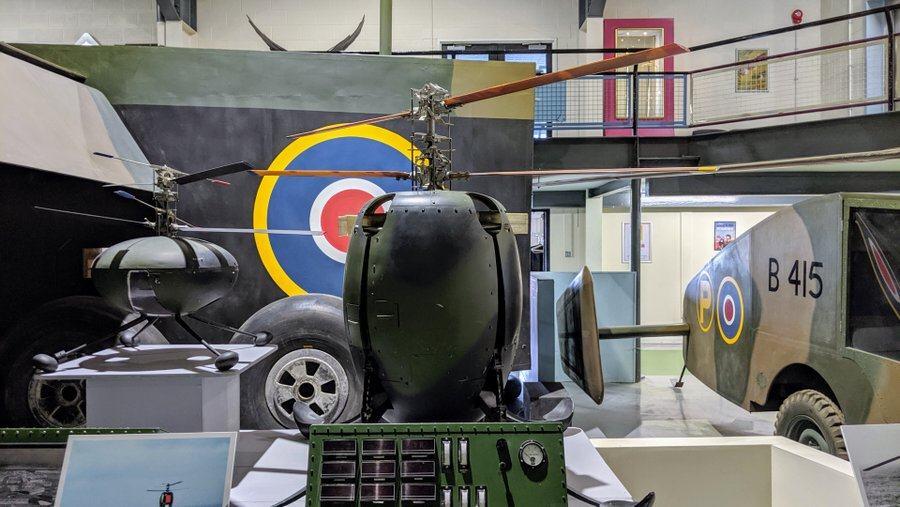
Flying Oddities
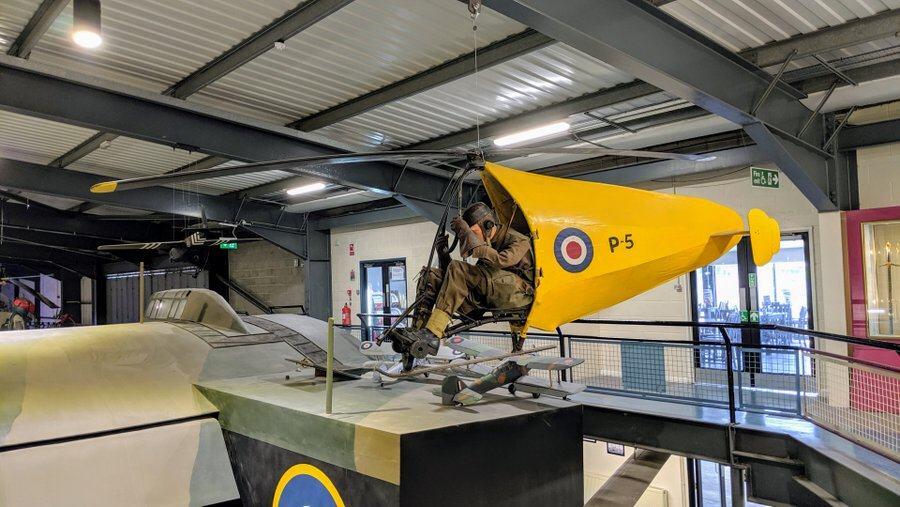
The museum also has some flying oddities, including early military ‘drones’ from the 1970s, and autogyros dating back to WW2. One of them, the Rotabuggy, a sort of flying jeep, was an attempt to find a clever way to transport vehicles into the combat zone by air. It didn’t get beyond the early trials. It was too unstable!
The Army Aviation Archive
In addition to the new layouts, signage, AV presentations, and aircraft, the renovation has included an upgrade for the archive – more space, and a proper, temperature & humidity controlled room. The Army Flying Museum archive includes unit and personnel records, manuals, photographs and other materials.
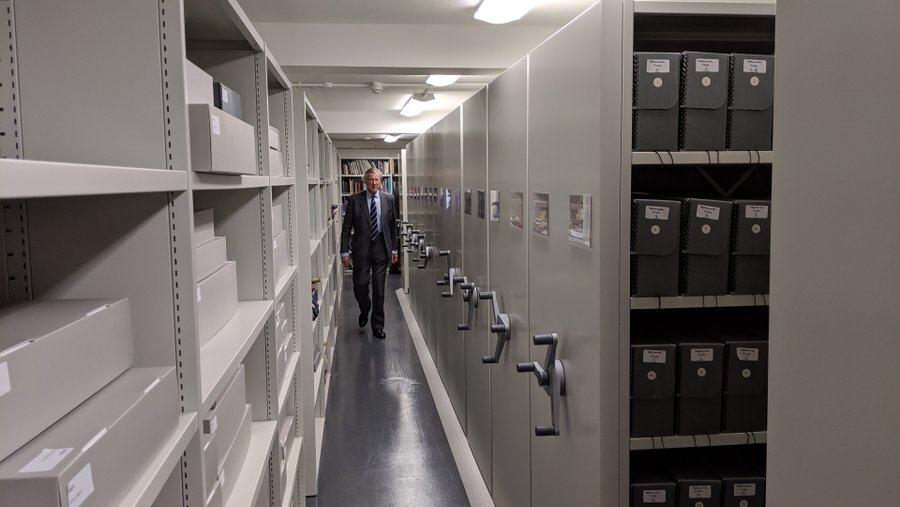
The archive is open for research by the public. If you want to make use of their unique materials, then you just have to get in touch.
That’s not it.
Next year the museum hopes to get its hands on the first Apache attack helicopter, which would bring the collection right up to date.